
Protecting Vacant Properties from Water Damage


Water Is the Most Preventable Major Loss
Water is one of the most destructive forces a vacant property can face — and one of the most preventable. When a property is occupied, small leaks get noticed quickly. When it sits empty, a dripping pipe or a cracked foundation seal can go undetected for weeks, turning a minor repair into a major loss. Here's what property owners need to know.
Plumbing leaks
The single most effective step before vacating any property is shutting off the main water supply. If there's no active need for running water, there's no reason to leave the system pressurized. Beyond that, a thorough inspection of visible pipes, faucets, and appliance connections before vacating will catch any existing issues before they're left to worsen.
Basement seepage
Basements are particularly vulnerable in vacant properties because water accumulation can go unnoticed for extended periods. Sealing cracks in the foundation wall limits the entry points for moisture, and a sump pump provides active protection against accumulation during heavy rain. For higher-risk properties, a battery-powered backup pump ensures the system keeps working even during power outages.
Storms and floods
Storm-driven rain and flood events can cause rapid, significant damage to an unoccupied structure. Boarding up windows and doors reduces the risk of water intrusion through compromised openings. Electrical systems and utilities should be elevated above potential flood levels where possible — water damage to these systems dramatically increases both repair costs and the timeline before a property can be re-occupied.
Recognizing the signs
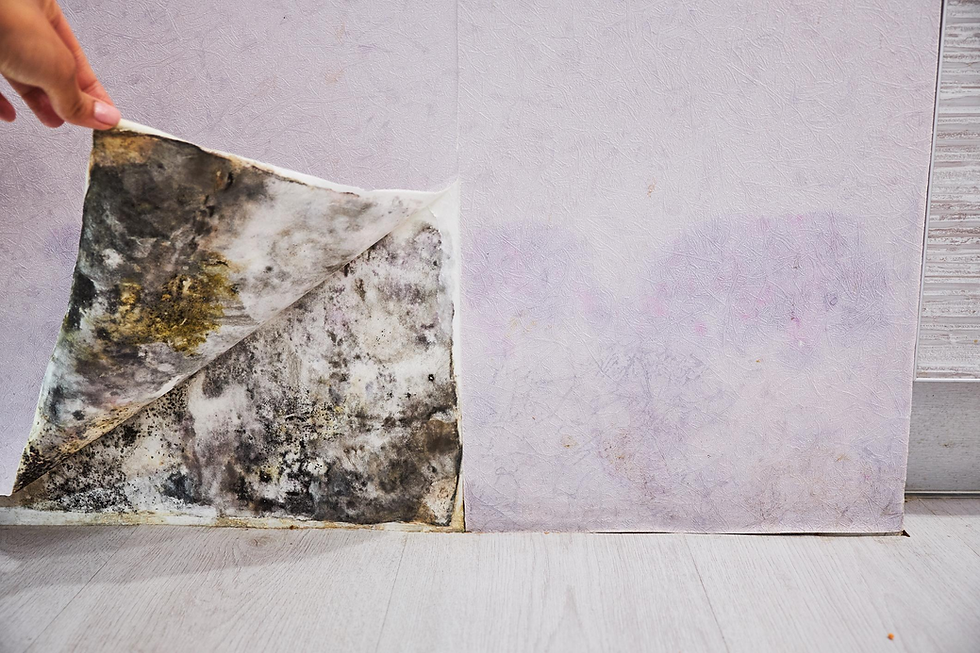
Even with preventive measures in place, regular inspections are essential. Water damage often announces itself through ceiling and wall stains, discoloration, or soft spots — signs that moisture has already been present for some time. Wet or damp flooring, particularly carpet, creates conditions for mold growth rapidly in an unventilated space. Removing carpet from vacant properties and ensuring adequate airflow significantly reduces that risk.
Ongoing protective measures
Prevention is cumulative. Scheduled inspections by qualified professionals — covering the roof, plumbing, and foundation — catch deterioration before it escalates. Repairs should be addressed promptly rather than deferred; in a vacant property, small problems compound faster than in an occupied one. Doors and windows should be properly sealed, and owners should monitor weather forecasts during storm seasons and take preventive action before severe events rather than responding after.
Conclusion
Protecting a vacant property from water damage isn't a single task — it's an ongoing discipline. Regular inspections, timely maintenance, and targeted protective measures work together to prevent small issues from becoming costly ones. Property owners who stay ahead of these risks preserve both the condition of their asset and its long-term value.
TAKE Action
Protect your property before it becomes a claim issue. Visit 12GatesPS.com to book your free 15-minute consultation.

Comments