
Toronto Hail Storm: What Property Owners Should Inspect After Severe Weather

Toronto's September 2 storm was more than a dramatic weather event. It was a property risk event. Torrential rain, large hail and damaging winds swept across Toronto and other parts of southern Ontario. Local reporting documented street flooding in the Beaches, damage at Rogers Stadium, disruptions at Pearson airport and hail striking neighbourhoods farther north. Pearson reported approximately 40 millimetres of rain during the storm.
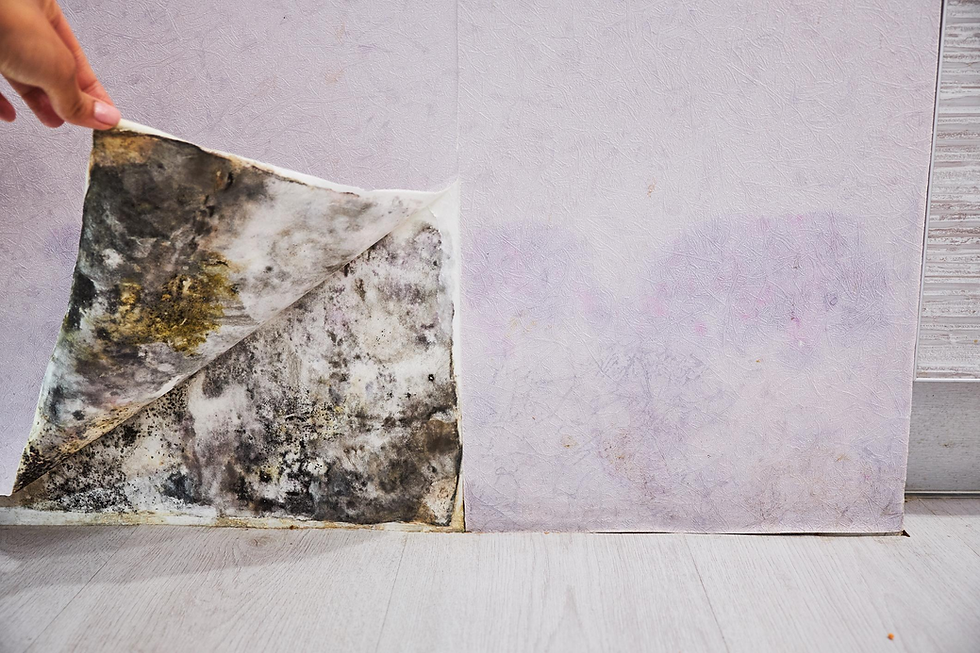
The visible debris is only the first layer of the story. Hail can bruise shingles without creating an immediate leak. Wind can loosen flashing, siding and roof edges. Heavy rain can overwhelm drainage systems or enter through small openings. A property may look normal from the street while water is already moving behind a wall, above a ceiling or into a basement.
That is why the first 24 to 48 hours after a severe storm matter.
Start with safety
Do not climb onto a wet or damaged roof. Stay away from downed wires, unstable trees, standing water near electrical equipment and structures that appear unsafe. If there is an immediate threat to life, fire or public safety, call emergency services.
When conditions are safe, begin with a careful ground level review. If the inspection requires heights, electrical work, tree removal or entry into a damaged area, bring in a qualified professional.
What to inspect after hail, wind and heavy rain
1. Roof surfaces and edges
Look from the ground for missing, lifted or broken shingles, displaced flashing, damaged vents and exposed roof decking. Hail damage can be subtle, so the absence of a visible hole does not prove the roof is unaffected. Check ceilings and attic areas for new stains, damp insulation or a musty odour.
2. Gutters, downspouts and drainage
Inspect gutters for dents, separation and overflowing debris. Confirm that downspouts are attached and directing water away from the foundation. Look for washed out soil, pooling water and erosion beside the building.
3. Windows, doors and exterior finishes
Check for cracked glass, damaged screens, broken seals, water around frames, dented siding and loose exterior materials. Wind driven rain can enter around a vulnerable opening even when the window itself is not broken.
4. Trees, branches, fences and accessory structures
Do not assume a leaning limb is stable because it did not fall during the storm. Inspect trees for split trunks, hanging branches and disturbed roots. Review fences, sheds, detached garages and exterior equipment for impact or movement.
5. Basement and lower level water entry
Look around foundation walls, floor drains, sump pits, window wells and stored contents. Check for seepage, sewage odour, damp drywall and changes in flooring. Moisture should be addressed promptly because conditions can deteriorate even after the rain stops.
6. Mechanical and electrical systems
Check whether the sump pump, alarm systems, refrigeration, heating, cooling and other critical equipment are operating normally. If water has reached electrical equipment, do not touch it. Contact a qualified electrician and notify your insurer when appropriate.
Vacant and vulnerable properties need special attention
An occupied property may reveal storm damage through a dripping ceiling, tripped breaker or flooded room. A vacant property cannot report the problem.
Properties in probate, Power of Sale, renovation, tenant transition or extended vacancy can go unchecked for days. During that time, a small roof opening can become widespread interior water damage. A failed sump pump can turn seepage into a flooded basement. A fallen branch can create an unsecured access point.
For these properties, a documented post storm inspection helps establish what was observed, when it was observed and what action followed. It also helps owners, executors, lenders, lawyers, property managers and insurers make decisions using current evidence instead of assumptions.
Document before cleanup changes the scene
Insurance Bureau of Canada guidance recommends recording the details of the event, making a complete list of damaged items, taking photos and detailed notes, and contacting the insurance representative as soon as possible. It also advises keeping receipts related to cleanup and protecting the property from further damage when it is safe to do so.
A useful storm record should include:
The property address and inspection date and time.
Wide photos showing the overall area.
Close photos showing each damaged component.
Interior photos of stains, moisture and affected contents.
Notes describing what was observed and where.
Weather and outage information relevant to the property.
A list of temporary measures taken to prevent further damage.
Contractor estimates, invoices and cleanup receipts.
Follow up photos showing whether conditions changed.
Do not discard damaged materials unless they are dangerous or create a health hazard. If disposal is necessary, photograph and inventory the items first when it is safe to do so. Speak with your insurer or adjuster before authorizing permanent repairs, unless urgent work is required to protect people or prevent further loss.
Coverage depends on the policy, the cause of loss, exclusions, deductibles, limits and the facts of the claim. A property report does not guarantee coverage, but organized evidence can help the insurer understand the event, the observed damage and the mitigation steps taken.
How 12 Gates can support the response
12 Gates Property Services helps owners and responsible parties turn a weather event into a documented property response. Depending on the property and urgency, support may include:
Emergency exterior drive by assessment.
Detailed interior and exterior inspection.
Time stamped photo reporting and condition notes.
Moisture observations and follow up monitoring.
Identification of immediate safety and security concerns.
Coordination with qualified restoration and repair professionals.
Documentation support for owners, adjusters and other authorized parties.
Ongoing oversight for vacant, estate, Power of Sale and distressed properties.
Take ACTION
If your Toronto or GTA property was exposed to the September 2 storm:
Confirm the property is safe to approach.
Inspect from the ground and photograph visible conditions.
Check the roofline, gutters, drainage, windows, trees and basement.
Contact your insurance representative if damage may have occurred.
Take safe temporary steps to prevent further damage.
Arrange a professional inspection where conditions are unclear or the property is vacant.
Schedule a follow up check for moisture or delayed leakage.
The storm has passed, but the property risk may still be developing.
Book a consultation with 12 Gates Property Services to discuss a post storm inspection, emergency property response or documentation plan for your Toronto or GTA property. Go to 12gatesps.com to book a free 15 minute consultation.
12 GATES PROPERTY SERVICES
PROTECTING PROPERTIES. MINIMIZING LOSS.
This article provides general property risk information only. It is not engineering, roofing, electrical, legal or insurance advice. Coverage and claim decisions are made by the insurer under the terms of the applicable policy.
Frequently asked questions
What should I inspect after a hail storm in Toronto?
Inspect the roofline, shingles, flashing, gutters, downspouts, windows, siding, trees, basement, drainage and critical mechanical systems. Stay on the ground and use qualified professionals for unsafe areas.
Can hail damage a roof without causing an immediate leak?
Yes. Hail may bruise or fracture roofing materials without creating a leak that is immediately visible. A professional review may be appropriate when the property was in the storm path.
What photos should I take for a storm damage insurance claim?
Take wide photos showing the affected area, close photos of each damaged component, interior photos of water or moisture, and follow up photos after temporary mitigation. Keep detailed notes, estimates and receipts.
Why should a vacant property be inspected after severe weather?
Vacant properties have no occupant to notice a leak, outage, broken window or failed sump pump. A prompt documented inspection can identify problems before they expand.
Does a restoration report guarantee insurance coverage?
No. Coverage depends on the policy and facts of the loss. A well organized report can provide evidence of observed conditions and actions taken, but the insurer determines coverage.
Sources
CityNews: Severe storms cause flooding across GTA, September 2, 2026.
CHCH and The Canadian Press: Widespread power outages remain after damaging storms slam southern Ontario, September 3, 2026.
Insurance Bureau of Canada: Severe Weather Insurance Help and How to File a Claim.


Comments